Articles

  • Digital Horror Stories

    Digital Horror Stories

    I know someone whose father died suddenly, and the family needed to access his computer to find important financial documents. The computer was password protected. His phone was locked. His email accounts were inaccessible.

    They knew he did most of his banking online, but they didn’t know which banks or what the account numbers were. They knew he had photos and documents saved digitally, but everything was locked behind passwords he’d never shared.

    It took them six months and a lawyer to get access to some of his accounts. They never did recover his photos or personal files.

    Another story: A friend’s mother had all her photos stored in iCloud, but she’d never told anyone her Apple ID password. When she developed dementia and needed to move into care, the family wanted to print some of her favorite photos for her room. Simple request, right? Except they couldn’t access the account, and Apple’s security features (designed to protect her privacy) made it nearly impossible to prove they had legitimate need for access.

    These aren’t unusual situations. Digital assets have all the same access problems as physical assets, plus additional layers of security that are designed to keep other people out.

    The technology exists to solve these problems – password managers, emergency contacts, family sharing features. But you have to set them up before you need them.

    After you need them, it’s too late.

  • Manage your Passwords

    Manage your Passwords

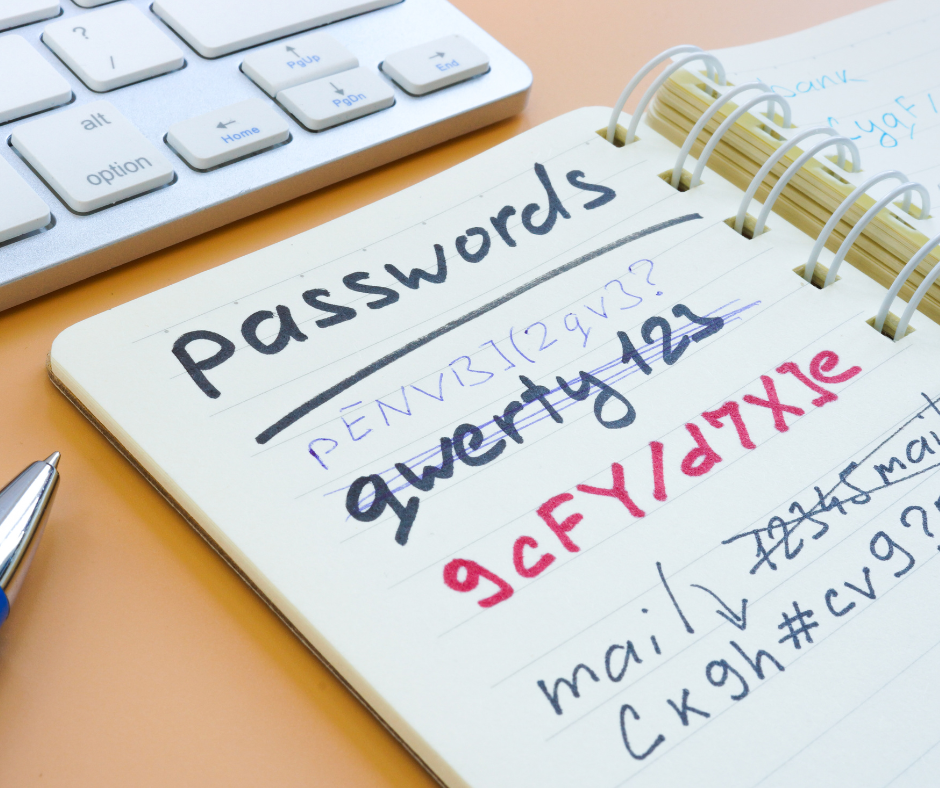
    I’m going to share the single best piece of technology advice I can give: get a password manager.

    Not just for security, though that’s important, but for sanity. Both yours and your family’s.

    Here’s how it works: instead of trying to remember 80 different passwords or using the same password for everything, you remember one really good password that unlocks a digital vault containing all your other passwords.

    Most password managers generate strong, unique passwords for every account, auto-fill them when you need to log in, and sync across all your devices. It’s like having a really good memory that never forgets and never gets confused about which password goes with which account.

    But here’s the estate planning part: you can give someone else access to your password manager without giving them your individual passwords. Most services have emergency contact features or family sharing options.

    This means your trusted person can get into your accounts when necessary, and they’re not reading your passwords off sticky notes or trying to guess what combination of your pet’s name and birth year you used for your bank account.

    Popular options include Bitwarden, 1Password, and LastPass. They cost about as much as a fancy coffee per month, and they’re worth every yen.

    Your future self will thank you. Your family will thank you. And you’ll never again have that moment of panic when you can’t remember if your password has one exclamation point or two.

  • Oh, so many….

    Oh, so many….

    Quick reality check: how many online accounts do you have?

    Don’t guess. Actually think about it. Email accounts, banking apps, social media, streaming services, shopping sites, work platforms, cloud storage, photo services, subscription services, gaming accounts, dating apps you forgot to delete, that meditation app you tried once…

    The average person has over 80 online accounts. Most of us reuse passwords (which we shouldn’t) or have passwords saved in our browser (which is convenient until someone else needs to access our accounts).

    Now here’s the fun question: if something happened to you, how would your family access any of this?

    Your phone is probably locked with Face ID or a fingerprint. Your computer might auto-login to everything, but good luck getting past the initial password screen. Your email accounts hold the keys to everything else, but if no one knows how to get into your email…

    This isn’t a theoretical problem. Digital assets are real assets. You might have money in PayPay or cryptocurrency or online-only bank accounts. Your photos are probably in the cloud. Your work files, your personal documents, your entire digital life.

    And unlike physical documents that you can find by searching through drawers, digital information just disappears if you can’t log in.

    Welcome to the modern version of “I can’t find the key to the safety deposit box.”

  • September into October

    September into October

    September’s articles have focussed on laying the foundation to understand why foreign residents need different estate planning solutions and what those solutions might look like.

    Here’s what we’ve covered:

    • Why scattered information creates problems for international families
    • How language and cultural barriers complicate everything
    • What it means to organize your life vs. planning for death
    • The peace of mind that comes from being prepared for whatever happens

    October is going to be all about digital assets, because let’s be real – most of our important stuff lives on our phones and computers now, and that creates whole new categories of problems when we’re not around to unlock them.

    If you’ve been following along and thinking “I should really get organized,” you’re not wrong. But don’t feel like you have to do everything at once. Pick one area – maybe your passwords, maybe your emergency contacts – and start there.

    The goal isn’t to become perfectly organized overnight. The goal is to be more organized than you were last month, and then keep building from there.

    Baby steps still get you where you need to go.

    Learn more about the International Resident’s Ending Note at: endingnote.mediatinker.com It’s available as a PDF download or you can buy it on Amazon in Kindle or paperback form

  • Found Money

    Found Money

    Here’s something I didn’t expect: going through the process of cataloging all my financial accounts helped me find money I’d forgotten about.

    Turns out I had a small investment account from my previous job that I’d opened during some enthusiastic phase of retirement planning in my thirties and then completely ignored for almost three decades. It wasn’t life-changing money, but it was enough to cover a vacation.

    I also discovered I was paying for a subscription to a meditation app I’d downloaded as inspiration with my yoga class, but haven’t used much. And a cloud storage service that I’d signed up for temporarily for a client project and forgotten to cancel. Oops. And I realised that my phone plan was costing me more money than it should.

    The process of documenting everything forces you to actually look at all your accounts, all your subscriptions, and all your recurring payments. Most of us set these things up and then never think about them again, which means we’re often paying for things we don’t use or missing opportunities to optimize things we do use.

    It’s like doing a financial audit, except the goal isn’t to impress an accountant. The goal is to figure out what you actually have so you can make adjust ments and ensure someone else knows about it, too.

    I’m not saying everyone will find forgotten treasure in their financial accounts. But I bet most people will find at least a few things they can clean up or optimize.

    And if nothing else, you’ll have a complete picture of your financial life, which is useful information to have while you’re still alive to use it.

  • Travel Confidence

    Travel Confidence

    In June I spent a week traveling back home, while I was still in the middle of editing the Ending Note. It was the first time I’ve travelled since the pandemic and I have to admit I was a bit nervous. Delayed flights. Detention for being on the wrong side of the political fence. It crossed my mind that I might get stuck in the US. And what would happen then? What could I do?

    I didn’t try to fill in the half-finished Ending Note, but I considered it!

    Not because I’m fatalistic about travel risks but because if I’d gotten stuck, my friends in Japan would have needed to handle whatever came up. But without the Emergency Access Guide, they wouldn’t know where to find my spare keys or reach my family. That one-pager really does give clear instructions about what to do in different scenarios.

    Sometimes the Ending Note isn’t about preparing for a major disaster. It’s about being able to travel without the nagging worry that something important will slip through the cracks while you’re away.

    Next time I travel overseas, my trusted contact will have the Emergency Access Guide and I can let go of that worry because I’ll know the bases are covered.

    International travel is complicated enough without adding the stress of wondering whether you’ve left your affairs in good enough order. Getting organized beforehand means you can focus on enjoying your trip instead of worrying about everything you might have forgotten.

    Plus, my friend gets to play with my cats while I’m gone, so everyone wins.

  • Welcome, Retire Japan readers!

    Welcome, Retire Japan readers!

    A shout-out to Ben Tanaka and Retire Japan readers who took and interest in my Ending Note guest post at Retire Japan this week. Thanks for your support of the Ending Note!

    If you’re not familiar with Retire Japan, I heartily recommend that you check it out. Ben shares his insights and perspectives on retirement planning and is deeply knowledgable about all the Japan investment platforms.

    In addition to the blog, Ben’s got a YouTube channel, a podcast, and there’s a lively member forum, too, where you can ask questions and get polite and informative answers on topics ranging from NISA to inheritance. Ben offers online courses and private coaching, as well.

    Whether you’re in the initial stages of retirement planning, hoping for a fast exit with FIRE, or already collecting your pension, Retire Japan has topics of interest. It’s definitely an excellent resource for all of us international residents.

  • Prepared for Emergencies

    Prepared for Emergencies

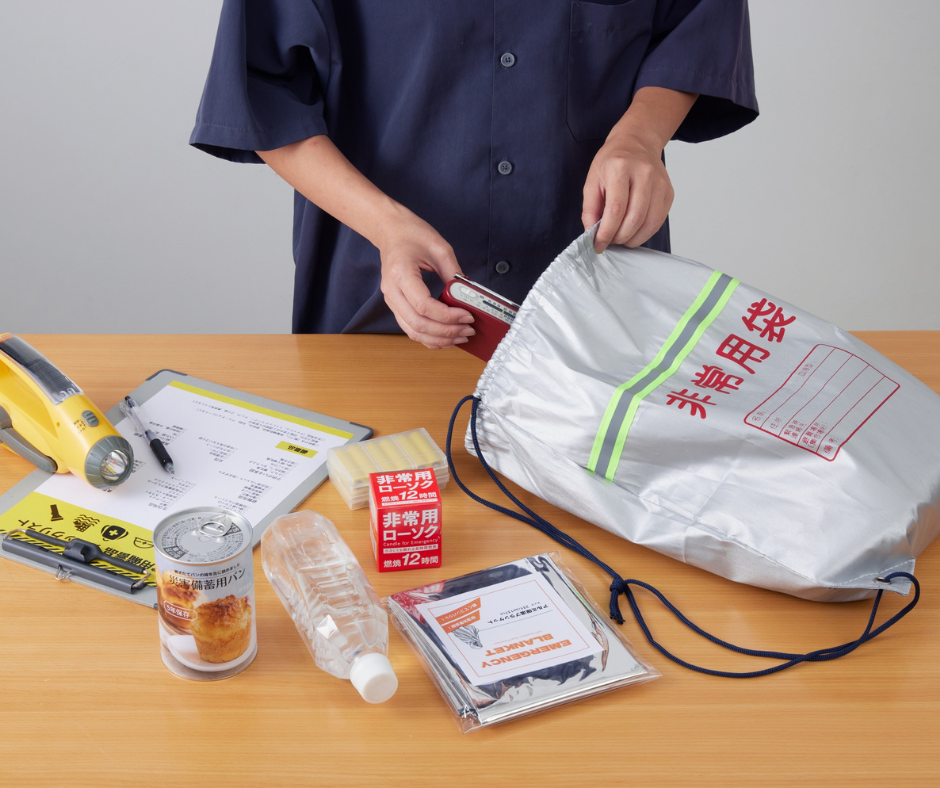
    It’s Emergency Preparedness Month throughout Japan. When earthquakes, torrential rain, and tsunami are likely to strike unexpectedly, it’s smart to have a go-bag. I hope you’ve checked your supplies. If you don’t have an emergency kit, make one!

    Here’s something that took me way too long to figure out, the Ending Note is like setting up your emergency kit. This idea is what makes the difference between planning for your death and organizing your life.

    Death planning is morbid and depressing and makes you want to go eat ice cream and watch Netflix instead.

    Life organization is practical and useful and makes you feel like you have your act together whether it’s an earthquake or a health scare.

    The Emergency Access Guide (page 7 of the Ending Note) is probably the most useful single page I’ve ever created. It’s designed for that moment when someone needs immediate access to your essential information – like if you’re in the hospital and can’t communicate, or if there’s an emergency and someone needs to get into your apartment.

    It has your emergency contacts, the location of your spare keys, your phone unlock code, and the location of your important documents. That’s it. One page that answers the question “What do I need to know right now?”

    I keep a copy with my trusted friend, and just knowing it exists makes me feel more prepared for whatever life throws at me. Not death – life. The messy, unpredictable parts of life where having your information organized really matters.

    It’s like an insurance policy, except instead of paying premiums every month, you just spend some hours getting organized once.

    Much better deal, if you ask me.

  • All in One Place

    All in One Place

    You know what’s liberating? Having all your important information in one place.

    Not scattered across sticky notes, not living in your head, not filed under “I’ll remember where I put that.” Just one document that has everything someone would need to know about your life, your assets, and your wishes.

    It’s like having a really good filing system, except it’s designed for someone else to use when you can’t help them.

    I call it an Ending Note because that’s what they call similar documents in Japan, but really it’s just a comprehensive life organization system. It covers everything from your bank account numbers to your pet’s vet information to where you keep your spare keys.

    The Japanese have been doing this for years, but their version assumes you’re Japanese, living in Japan, with Japanese family who understand Japanese systems. Those assumptions don’t work for most of us.

    So I created a bilingual version that addresses the specific challenges foreign residents face. Things like explaining to your overseas family how Japanese banking works, or making sure someone knows how to access your digital life, or ensuring your Japanese family know what assets you hold outside Japan.

    It’s not rocket science. It’s just organization with a purpose.

    And once it’s done, you can stop worrying about whether you’ve forgotten something important and get back to the business of living your life.

  • It’s all Greek? 🤯

    It’s all Greek? 🤯

    My Japanese is decent enough for daily conversation, but put me in front of a government form or an insurance policy, and I’m completely illiterate. All those kanji combos swim around the page in bureaucratic soup. It’s harder than trying to decipher emojis.

    Now imagine your family trying to deal with Japanese paperwork when you’re not around to help translate.

    This isn’t just about language, though that’s part of it. It’s about understanding systems that work completely differently from what they’re used to. Like why you need a hanko for some things but not others. Or why some bank accounts require you to go to the specific branch where you opened them. Or why the post office is also a bank.

    Even something as simple as your address can be confusing. Is it 1-2-3 Nagatacho or 2-3 Nagata-cho 1? Does your building have a name? Is there a room number? Is there a door code? Your family might know you live in Nagatacho, but good luck finding your specific apartment without very detailed instructions.

    The reverse is also true, by the way. If you have assets back home, Japanese authorities might not understand concepts like 401ks or health savings accounts or why you have seventeen different investment accounts with names like “Aggressive Growth Fund” and “Conservative Bond Portfolio.”

    Being bilingual and bicultural is great until you need to explain one culture’s systems to someone from the other culture while you’re not available to do the explaining.