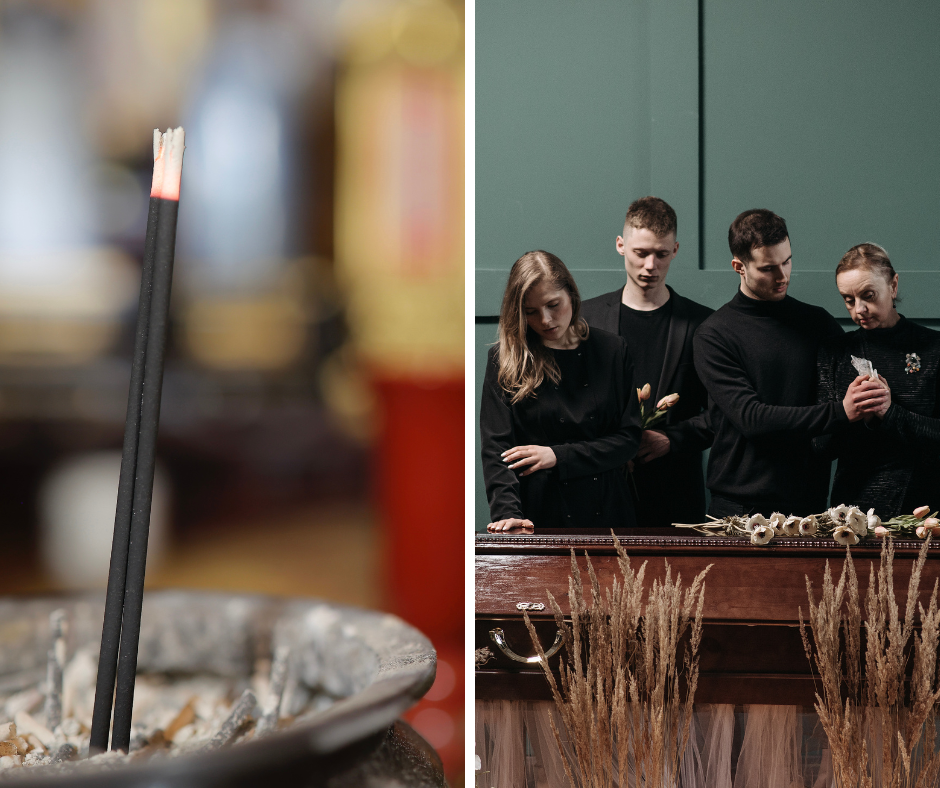
Living between cultures means navigating different expectations about everything, including death and family responsibilities.
In Japan, there are specific rituals and procedures that are considered normal and respectful. In your home country, there are different rituals and procedures that are considered normal and respectful. Sometimes these overlap, sometimes they don’t, and sometimes they conflict completely.
For example, Japanese funerals are typically Buddhist ceremonies with specific protocols about flowers, money gifts, and timing. Western funerals might be religious or secular, might involve burial or cremation, and have completely different expectations about family participation.
Your Japanese friends might expect certain things from your family. Your family might expect certain things from your Japanese friends. And you’re the bridge between these expectations, except if you’re not around to translate cultural differences, everyone’s going to be confused and possibly offended.
This isn’t just about funeral customs, either. It’s about decision-making processes, communication styles, and what different cultures consider appropriate during times of grief.
The solution isn’t to pick one culture over the other. The solution is to be explicit about what you want and to help both sides understand what to expect from each other.
Document your preferences clearly. Explain cultural differences to both families. Consider appointing cultural liaisons who can help navigate misunderstandings.
Because the last thing anyone needs during a difficult time is confusion about cultural expectations on top of everything else.
Leave a Reply